
This company has no active jobs
0 Review
Rate This Company ( No reviews yet )

24/7 Window Installer
(0)About Us
What You Must Forget About The Need To Improve Your Residential Window Installation
Comprehensive Guide to Residential Window Installation
Residential window installation is a significant consideration for house owners looking to enhance the functionality and aesthetics of their homes. Windows play a vital function in energy performance, security, and convenience and can dramatically impact the overall value of a home. Whether setting up new windows in a recently built home or changing old windows in an existing home, understanding the procedure can ensure that the installation is finished efficiently and efficiently.
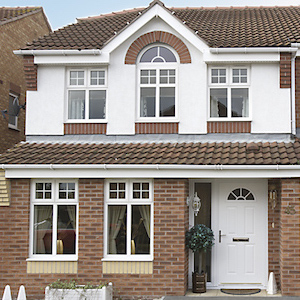
Advantages of Residential Window Installation
Before diving into the installation procedure, it is useful to understand the numerous advantages new window setups offer:
- Increased Energy Efficiency: Modern windows are developed to supply much better insulation, causing minimized cooling and heating costs.
- Improved Aesthetics: New windows can enhance the curb appeal of a home, making it more appealing to possible purchasers.
- Improved Security: Updated windows often include better locking mechanisms and stronger materials, enhancing home security.
- Noise Reduction: Newer window styles can help decrease outside sound, developing a more peaceful indoor environment.
- UV Protection: Modern windows often include coatings that secure furniture and floor covering from harmful ultraviolet (UV) rays.
Types of Residential Windows
There are numerous kinds of residential windows offered, each offering special advantages. Below is an extensive list of typical window styles:
- Double-Hung Windows: Feature 2 vertically moving sashes, permitting for ventilation from the top or bottom.
- Casement Windows: Hinged on the side and open outward, providing exceptional ventilation.
- Slider Windows: Operate horizontally and are easy to open, making them suitable for bigger openings.
- Awning Windows: Hinged at the top and open outside, using ventilation even throughout rain.
- Bay and Bow Windows: Project outside from the home, creating extra interior space and panoramic views.
- Image Windows: Large, set windows that do closed, ideal for catching views.
Table 1: Comparison of Window Types
| Window Type | Ventilation | Energy Efficiency | Looks | Upkeep |
|---|---|---|---|---|
| Double-Hung | Yes | Moderate | Traditional | Moderate |
| Casement | Exceptional | High | Modern | Low |
| Slider | Moderate | Moderate | Smooth | Low |
| Awning | Excellent | High | Stylish | Low |
| Bay/Bow | Minimal | High | Remarkable | Moderate |
| Photo | No | High | Elegant | Low |
The Installation Process
Installing windows can be a complicated job needing cautious planning and execution. Here is a step-by-step summary of the installation process:
1. Planning and Measurements
- Select Window Style: Choose the window type based upon your needs, visual appeals, and budget plan.
- Procedure Window Openings: Accurate measurements are necessary for guaranteeing a proper fit. A professional installer frequently takes this step to avoid mistakes.
2. Elimination of Old Windows
- Prepare the Area: Clear any furnishings or barriers near the window’s installation site.
- Careful Removal: Safely eliminate old windows, making sure not to damage surrounding structures.
3. Installation of New Windows
- Insert the New Window: Place the new window into the opening and guarantee it is level.
- Protect it: Fasten the window frame using screws or nails, following maker standards.
- Insulate: Add insulation to close spaces around the window frame to avoid drafts.
- Seal: Apply caulking to produce a waterproof seal in between the window and the frame.
4. Finishing Touches
- Install Trim: Add window case or trim for aesthetics.
- Final Inspection: Check for any spaces, leaks, or positioning concerns.
- Clean Up: Remove any debris and tidy the new window.
5. Post-Installation Care
Following installation, house owners should follow basic upkeep suggestions to take full advantage of the durability of their new windows. Routine cleansing, inspection for damage, and prompt caulking will assist maintain effectiveness and visual appeals.
Regularly Asked Questions (FAQs)
1. The length of time does window installation take?
The time needed for window installation can vary based on the number of windows being installed and the complexity of the job. Typically, it can take anywhere from a couple of hours to a couple of days.
2. Do I require an authorization for window installation?
In many areas, a license is required for window installation, particularly if the job includes structural changes. It’s recommended to inspect local regulations.
3. How do I know if I require to replace my windows?
Signs that may suggest the need for replacement consist of drafts, difficulty opening or closing the windows, split or decaying frames, and high energy bills.
4. What should I anticipate during the installation procedure?
Property owners can anticipate some noise and interruption during the installation process. However, professional installers normally aim to reduce inconvenience.

5. Can I install windows myself?
While DIY installation is possible, working with a professional is suggested for proper fitting, insulation, and sealing, particularly provided the financial investment involved.
Residential window installation is an important home improvement process that offers numerous advantages, consisting of improving energy performance, security, and looks. Comprehending the various kinds of windows and the steps associated with the installation procedure empowers homeowners to make educated choices. Whether tackling this task personally or employing professionals, correct preparation and attention to information can ensure an effective result, ultimately raising the comfort and worth of the home.
